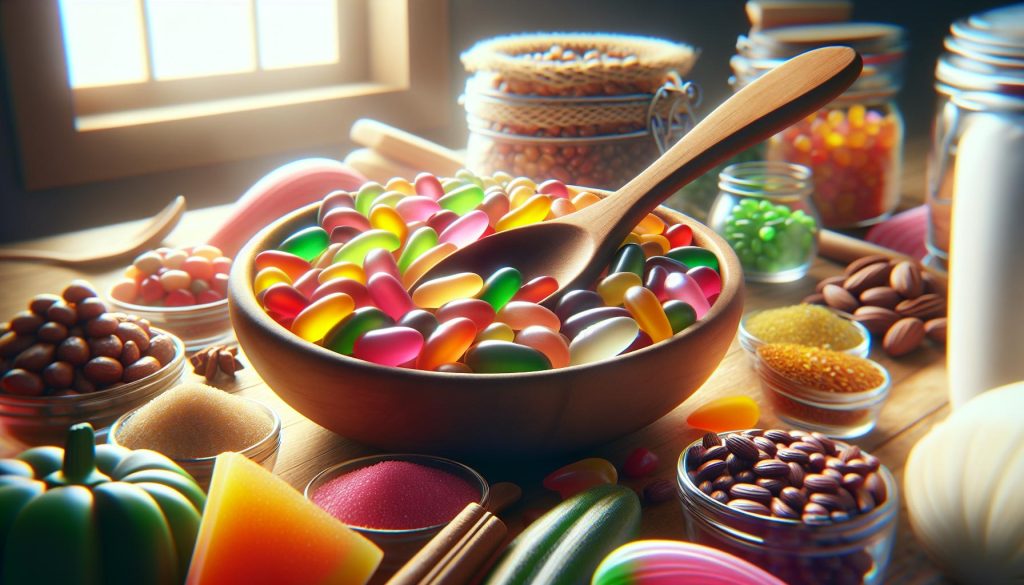
Jelly Bean Ingredients: The Good, the Bad, and the Surprising
Welcome to the colorful world of jelly beans, where every bite is a gamble and flavor reigns supreme! But wait—before you dive headfirst into that multi-colored bag of chewy goodness, have you ever paused to ponder what’s really inside those whimsical little candies? In “Jelly Bean Ingredients: The Good, the Bad, and the Surprising,” we’re peeling back the sugary layers to reveal what makes these treats so delightful—and sometimes downright puzzling. From natural ingredients that will make you do a double-take to surprises that could leave even the most adventurous tastebuds reeling, we’re serving up the delectable details with a side of humor. So, grab your jelly beans and prepare for a sweet educational journey—you might just make some shocking discoveries about your favorite candy!

Contents
- Jelly Bean Ingredients Explained: What Goes Into Your Favorite Treats
- The Good: Natural Flavors and Responsible Sourcing
- The Bad: Understanding Artificial Additives and Preservatives
- The Surprising: Unique Ingredients You Didnt Expect
- How to Read Jelly Bean Labels for Healthier Choices
- Recommendations for Finding Quality Jelly Beans
- The Role of Allergen Awareness in Jelly Bean Consumption
- Balancing Indulgence and Health: Making Informed Choices
- What Are Jelly Beans Actually Made Of?
- Vegan and Allergen-Free Jelly Bean Alternatives
- Navigating the Confectionery Aisle: Identifying Quality Ingredients
- FAQ
- Frequently asked questions
- Final Thoughts
Jelly Bean Ingredients Explained: What Goes Into Your Favorite Treats
Jelly beans are a beloved treat, but have you ever stopped to consider what makes these colorful confections so appealing? The ingredient list is a mix of traditional components and some surprising additions that contribute to their unique texture and flavor. Understanding what goes into these treats helps demystify their production and enables you to make informed choices about your favorite flavors.
At the heart of jelly beans is a combination of sugar, corn syrup, and gelatin, which create the chewy texture we all know and love. These ingredients work together to form the sweet base. Additionally, natural and artificial flavors are added to provide the wide variety of tastes, ranging from fruity favorites like strawberry and lime to more unique selections like buttered popcorn.
The vibrant colors of jelly beans are achieved through the use of food dyes, which can be either natural or synthetic. It’s worth noting that some manufacturers use plant-based colorings, which not only appeal to health-conscious consumers but also offer a more comprehensive spectrum of hues. Here’s a quick look at some common ingredients found in jelly beans:
| Ingredient | Description |
|---|---|
| Sugar | The main ingredient providing sweetness. |
| Corn Syrup | A sweetener that helps create a chewy texture. |
| Gelatin | Used for creating the jelly-like consistency. |
| Natural Flavors | Extracts from real fruits or spices. |
| Food Coloring | Adds bright, appealing colors to the candy. |
While most ingredients are generally safe for consumption, it’s always a good idea to check labels, as some brands may include additives or allergens like gluten or soy. Innovation in the candy-making industry continues to evolve, with vegan-friendly options and natural colorings becoming more prevalent, allowing you to enjoy your jelly beans with peace of mind.

The Good: Natural Flavors and Responsible Sourcing
When it comes to jelly beans, the use of natural flavors stands out as a significant positive aspect. Unlike synthetic alternatives, these natural flavors are derived from real fruits, spices, and other organic sources, bringing authenticity and a wholesome taste to every bite. Here are a few key benefits of natural flavors:
- Enhanced Taste: Natural flavors often provide a more authentic and richer flavor profile, closely mimicking the real ingredient they represent.
- Healthier Option: These flavors are typically free from artificial additives, making them a better choice for health-conscious consumers.
- Consumer Preference: Many consumers prefer products that utilize natural ingredients, aligning with current trends toward transparency in food sourcing.
Furthermore, responsible sourcing practices further enhance the positive qualities of jelly beans. Manufacturers are increasingly focusing on where and how ingredients are obtained. This commitment to sustainability includes:
| Aspect | Details |
|---|---|
| Ingredient Origin | Sourcing from local farms and sustainable sources helps support communities and reduce carbon footprints. |
| Fair Trade Practices | Utilizing fair trade ingredients ensures ethical labor practices and fair pricing for producers. |
| Environmental Impact | Companies are adopting eco-friendly packaging and minimizing waste through responsible manufacturing processes. |
In essence, choosing jelly beans with natural flavors and responsible sourcing not only enhances your snacking experience but also supports a movement towards more ethical and sustainable food practices.
The Bad: Understanding Artificial Additives and Preservatives
When it comes to jelly beans, understanding artificial additives and preservatives can feel overwhelming. Many of the vibrant colors and flavors that define these confections owe their existence to substances that are far from natural. These additives are often utilized to enhance appearance, prolong shelf life, and intensify taste, but they come with their own set of concerns.
Here are some common artificial additives found in jelly beans:
- Artificial Colors: These synthetic dyes, such as Red 40 and Yellow 5, are responsible for the eye-catching hues of your favorite treats. While the FDA approves these colors, some studies suggest they may lead to allergic reactions and hyperactivity in sensitive individuals.
- Preservatives: Compounds like sorbic acid or potassium sorbate extend the shelf life of jelly beans, ensuring they remain fresh for longer. However, there are concerns about their long-term consumption and potential health impacts.
- High Fructose Corn Syrup: This sweetener helps achieve that delectable flavor, but its overconsumption is linked to obesity and various metabolic issues.
Understanding the role and impact of these ingredients is crucial in making informed choices about your candy consumption. While some additives may be harmless at low levels, it’s essential to remain vigilant, especially for those with allergies or sensitivities. Knowledge is power, and being aware of what goes into these treats allows consumers to make better dietary decisions.
| Additive | Purpose | Potential Concerns |
|---|---|---|
| Artificial Colors | Enhance appearance | Allergic reactions, hyperactivity |
| Preservatives | Extend shelf-life | Long-term health effects |
| High Fructose Corn Syrup | Sweeten flavor | Obesity, metabolic issues |

The Surprising: Unique Ingredients You Didnt Expect
Jelly beans might seem like a straightforward treat, but the ingredients can be surprisingly eclectic. While sugar and corn syrup are standard, you may not expect to find ingredients like **carnauba wax** or **gelatin**. Carnauba wax is a fascinating addition; derived from the leaves of the Brazilian carnauba palm, it gives jelly beans that shiny appearance you notice on store shelves.
Furthermore, some jelly bean recipes incorporate **natural flavors** sourced from fruits and spices, keeping with a trend towards more **artisanal and gourmet** confections. Here are a few unique ingredients that might catch you off guard:
- Beeswax: Provides a natural coating and enhances the texture.
- Fruit Purees: Gives a burst of authentic fruit flavor, often found in specialty jelly beans.
- Vegan Options: Some brands have replaced gelatin with **agar-agar**, a seaweed-based gelling agent.
In a world that values transparency in food production, it’s interesting to note that many jelly bean manufacturers are starting to disclose these unconventional ingredients on their labels, inviting consumers to explore beyond the simple sugar shell.

How to Read Jelly Bean Labels for Healthier Choices
Reading jelly bean labels can be a significant step towards making informed and healthier choices. Most jelly beans are a concoction of sugars, artificial flavors, and colors that may not benefit your health. To navigate these labels, focus on the following key components:
- Ingredients List: This is your first stop. Look for natural ingredients and steer clear of those lengthy chemical names. Ingredients are listed in order of quantity, so if you see “corn syrup” or “sugar” at the top, it may be time to put that bag back.
- Artificial Colors and Flavors: Some brands still use synthetic dyes, which may pose potential health risks. Opt for brands that use natural colorants derived from fruits and vegetables.
- Allergens: Always check for common allergens like gluten or nuts, especially if you have sensitivities.
| Ingredient | Type | Health Impact |
|---|---|---|
| Corn Syrup | Sugar | High in fructose, can lead to obesity |
| Gelatin | Animal product | Not suitable for vegetarians/vegans |
| Natural Fruit Juice | Natural color | Better alternative, contains some nutrients |
Ultimately, being aware of what’s inside your favorite candy can empower you to make choices that align with your dietary goals. Don’t hesitate to explore various brands and their offerings, as sometimes the healthier option can also surprise you in flavor and enjoyment!

Recommendations for Finding Quality Jelly Beans
Choosing quality jelly beans can be a delightful yet daunting task, especially with the myriad of options available on the market today. To ensure you select the best jelly beans, consider the following recommendations:
- Check the Ingredients: Quality jelly beans should feature simple, recognizable ingredients. Avoid those with excessive artificial colors and flavors. Look for products that use natural sweeteners and fruit-based flavors.
- Read Reviews: Customer feedback can provide insights into the taste and texture of the jelly beans. Look for brands that consistently receive positive reviews for quality and flavor variety.
- Choose Reputable Brands: Stick with well-known and trusted brands that prioritize quality and ethical sourcing. Research brands that prioritize transparency in their ingredient sourcing.
Additionally, examining the packaging can also provide clues about quality:
| Indicator | What to Look For |
|---|---|
| Labeling | Clear ingredient list without vague terms like “natural flavors” |
| Certifications | Look for USDA organic or non-GMO certifications |
| Expiration Date | Ensure the product is fresh, with a reasonable shelf life |
By keeping these tips in mind, you can savor your jelly bean experience while ensuring you’re indulging in high-quality treats that are worth your investment.

The Role of Allergen Awareness in Jelly Bean Consumption
Understanding allergen awareness is crucial for consumers who enjoy jelly beans, particularly given the colorful variety of flavors and ingredients that these treats offer. Many jelly beans contain ingredients that could potentially trigger allergic reactions, making it essential for consumers to be informed before indulging.
Some common allergens found in jelly beans include:
- Gelatin: Often derived from animal sources, this ingredient can pose issues for vegetarians and those with specific dietary restrictions.
- Artificial Colors: Certain dyes may cause reactions in sensitive individuals, particularly children.
- Natural Flavors: While generally safe, these can sometimes include allergens derived from nuts or other common food triggers.
To combat potential health risks, it is advisable to check the packaging or consult manufacturers regarding the allergen status of their products. Many brands now provide clear labeling and allergen warnings to make this process easier for consumers. Awareness not only promotes safer consumption but also encourages manufacturers to prioritize transparent ingredient sourcing and practices. As jelly bean lovers navigate aisles filled with options, being well-informed can transform a satisfying treat into a safe indulgence.

Balancing Indulgence and Health: Making Informed Choices
When it comes to enjoying treats like jelly beans, understanding their ingredients can help you navigate the fine line between indulgence and health. While jelly beans offer a burst of flavor and joy, it’s essential to be aware of both the wholesome and less desirable components that go into these sugary gems. Here are some key ingredients to consider:
- Natural Flavors: Derived from fruit or plant sources, these can enhance the taste without adding synthetic elements.
- Gelatin: A common gelling agent, it’s often sourced from animal collagen. For vegans or vegetarians, this can be a significant factor.
- Artificial Colors: These are prevalent in jelly beans, providing vibrant hues. Some studies suggest potential health concerns, urging mindful consumption.
- High-Fructose Corn Syrup: A sweetener that can contribute to unhealthy practices if consumed in excess.
Striking a balance between your cravings and nutritional considerations can lead to smarter snacking choices. It’s wise to check labels for **portion sizes** and **ingredient origins**, transforming the way you enjoy confectionery. Understanding what you put in your body can empower you to make choices that satisfy both your taste buds and your health goals.
| Ingredient | Health Impact |
|---|---|
| Natural Flavors | Generally safe; adds taste. |
| Gelatin | Not suitable for all diets. |
| Artificial Colors | Potential health concerns; use sparingly. |
| High-Fructose Corn Syrup | Can promote unhealthy eating habits. |
What Are Jelly Beans Actually Made Of?
Jelly beans have a chewy center and a crisp shell. The primary ingredients forming the jelly base include sugar, corn syrup, and starch (often cornstarch) or pectin. The glossy outer coating is achieved through panning with additional sugar and a polishing agent, usually carnauba wax or beeswax.
Vegan and Allergen-Free Jelly Bean Alternatives
With dietary preferences evolving, many manufacturers now produce vegan and allergen-free jelly beans. Instead of animal-derived gelatin or shellac, these alternatives utilize plant-based pectin for the chewy center and natural vegetable waxes for the outer shine, making them safe for a wider range of consumers.
When selecting treats, it is important to distinguish between good and bad jelly beans. High-quality beans typically use natural fruit juices and extracts, whereas lower-quality options often rely on excessive artificial food dyes and high-fructose corn syrup. By checking the label for natural ingredients, you can enjoy a sweet treat while avoiding unnecessary chemical additives.
FAQ
- What defines good and bad jelly beans?
- Good jelly beans usually feature authentic fruit flavor profiles and natural colors, while bad jelly beans often have an overly chemical aftertaste and waxy texture.
Frequently asked questions
Q: Are jelly beans vegan?
A: Not always. Many traditional jelly beans contain beeswax or confectioner’s glaze (shellac), which are animal-derived. Look for pectin-based, explicitly vegan brands.
Q: What gives jelly beans their shiny coat?
A: The shiny outer shell of a jelly bean is typically created using carnauba wax or beeswax, often combined with a confectioner’s glaze.
Q: What are the basic ingredients in jelly beans?
A: Jelly beans typically contain a handful of basic ingredients: sugar, corn syrup, and modified food starch for the chewy part. They also have flavors and colors added, which can come from both natural and artificial sources. Each jelly bean’s shiny outer shell is made from food-grade glazing agents, often containing shellac or carnauba wax.
Q: Are there any health benefits associated with eating jelly beans?
A: While jelly beans aren’t typically known for health benefits, they can offer a quick energy boost due to their high sugar content. They may also contain small amounts of vitamins if made with natural juices. However, it’s important to remember that they are mostly sugar with little nutritional value, so moderation is key!
Q: What are some common food additives found in jelly beans that people should be aware of?
A: Common additives include artificial colors and flavors, which can raise concerns for some consumers. For example, some jelly beans use Red 40, Yellow 5, or Blue 1, which have been linked to allergic reactions in certain individuals. Additionally, some brands might use gelatin in their formulations, which may not be suitable for vegetarians or vegans. Always check the ingredient list if you have dietary restrictions!
Q: Are there any surprising ingredients used in jelly beans?
A: Yes, absolutely! One surprising ingredient is shellac, a glazing agent derived from the secretion of the lac bug. While it’s safe to eat in small amounts, it raises eyebrows for some folks due to its animal origin. Similarly, some brands incorporate natural flavors derived from real fruits and spices, which can give them unique taste profiles that go beyond typical candy flavors.
Q: Do all jelly beans have the same flavoring methods?
A: No, they vary widely! Some brands emphasize natural flavors derived from real fruit juices or extracts, while others rely on synthetic flavoring agents to create a more intense taste. If you prefer more natural options, look for brands that specifically advertise “natural flavors” on the package.
Q: How can consumers make informed choices when selecting jelly beans?
A: The best way to make informed choices is to read the ingredient labels carefully. Look out for allergens, dietary preferences (like vegan or gluten-free), and whether the brand uses natural or artificial ingredients. Additionally, consider checking out reviews and company practices—they’ll often give you a good idea of the quality of the products they offer.
Q: How do jelly beans compare to other candies in terms of ingredients?
A: Jelly beans tend to be more straightforward with their ingredients compared to other candies that may pack in multiple types of sugars, fats, and preservatives. However, they often contain similar high sugar levels and may include artificial colors and flavors as found in many candies. Always keep an eye on the serving size, as it’s easy to consume more than intended.
Q: What’s a healthier alternative to traditional jelly beans?
A: If you’re looking for a healthier alternative, consider fruit-flavored gummies made from real fruit purees with no artificial colors or additives. You might also explore options like yogurt-covered fruit, fruit leathers, or homemade jelly bean recipes where you can control the ingredients.
Q: How are jelly beans made? Are there any surprising facts about the manufacturing process?
A: The manufacturing process of jelly beans is quite fascinating! They are made using a technique called “panned candying,” where a sugar syrup coats the center (like a jelly or starch base) multiple times to build the shell. Surprisingly, the authentic jelly bean-making process can take several days, as each coat needs time to dry before the next one is applied.
Q: what should consumers take away about jelly bean ingredients?
A: jelly beans can be enjoyed as a fun treat, but it’s important to understand what’s in them. Look for brands that align with your health choices, be aware of any potential allergens, and remember that all things in moderation can allow you to enjoy your favorite sweets without guilt!
Final Thoughts
As we unwrap the colorful world of jelly beans, it’s clear that these delightful treats are more than just a sugary indulgence. From the wholesome ingredients that make them pop to the less savory components that might raise an eyebrow, there’s a lot to consider. Whether you’re a lifelong fan or just curious about what’s really in your favorite candy, understanding jelly bean ingredients empowers you to make informed choices. So the next time you reach for that bag of jelly beans, you’ll know exactly what you’re getting—both the good and the surprising. Enjoy your sweet adventure, and remember: knowledge is the sweetest ingredient of all!
Get our latest guides, news, and insights highlighted in your Google Search & AI Overviews.