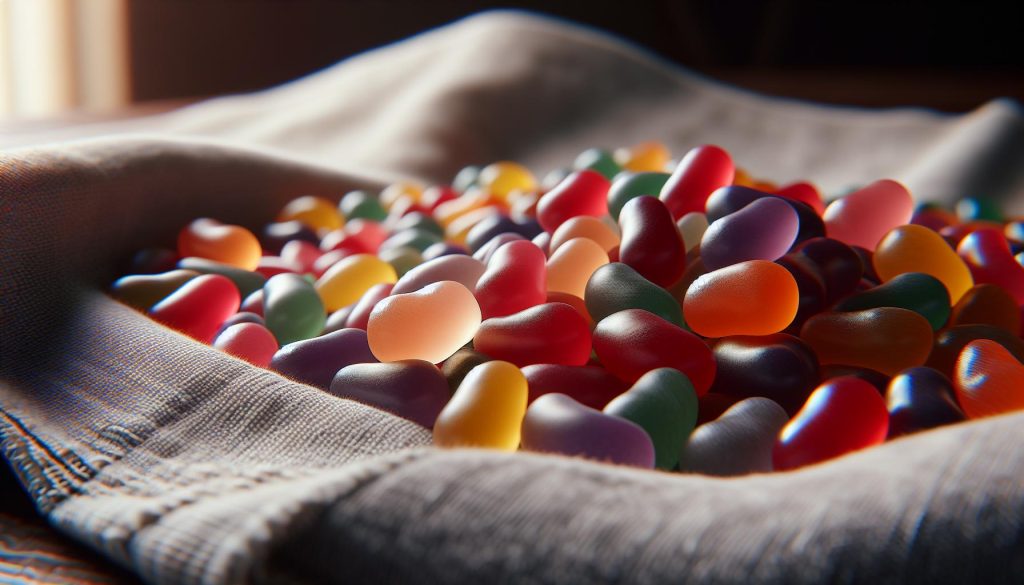
Jelly Bean Freshness: The One Trick Candy Shops Don’t Want You to Know
Ever taken a bite of a jelly bean only to be greeted by the sad crunch of staleness? You’re not alone! In the sugary wonderland of candy shops, where flavors dance and colors pop, the secret to true jelly bean freshness remains locked away, guarded by gumdrops and licorice ropes. But fear not, dear candy connoisseur! In this article, we’ll unveil the one trick that those business-savvy candy shop owners hope you never discover. Get ready to transform your jelly bean experience from lackluster to luscious, ensuring that every chewy morsel bursts with flavor—just like it should! Buckle up, because it’s time for some sweet revelations that might just revolutionize how you indulge in this beloved treat!
Contents
- Understanding Jelly Bean Freshness and Its Importance
- The Science Behind Jelly Bean Shelf Life
- Identifying Fresh Jelly Beans: Key Indicators to Look For
- Storage Tips to Preserve Your Jelly Beans Freshness
- How to Safely Rehydrate Stale Jelly Beans
- The Impact of Air and Moisture on Candy Quality
- Choosing the Right Retailer for Optimal Freshness
- Unlocking the Secret to Enjoying Perfectly Fresh Jelly Beans
- The Icebreaker: Introduction Get to Know You Jelly Bean Games
- Why Freshness Matters for Social Events
- Frequently asked questions
- In Summary
Understanding Jelly Bean Freshness and Its Importance
Jelly bean freshness plays a crucial role in the overall flavor experience and enjoyment of these tiny treats. Unlike many confections, jelly beans are clearly affected by age, which can alter their texture and taste. When fresh, they offer a delightful chewiness, vibrant flavors, and a pleasing glossy finish. As time goes on, however, these candies can become hard, stale, or lose their aromatic punch, leading to a disappointing candy experience.
Here are some key reasons why jelly bean freshness matters:
- Flavor Integrity: Fresh jelly beans retain their intended flavor profile, making each bite a burst of sweet satisfaction.
- Texture Appeal: A fresh jelly bean has the perfect balance of firmness and chew that enhances the overall enjoyment.
- Visual Appeal: Fresh candies have a shiny, appealing exterior, while older ones may appear dull and uninviting.
To avoid buying stale jelly beans, consider the following freshness indicators:
| Indicator | Fresh Jelly Beans | Stale Jelly Beans |
|---|---|---|
| Texture | Soft and chewy | Hard and brittle |
| Aroma | Strong and inviting | Weak or chemical smell |
| Appearance | Vibrant and shiny | Dull and faded |

The Science Behind Jelly Bean Shelf Life
The shelf life of jelly beans, like many candies, is influenced by a variety of factors, primarily ingredients, storage conditions, and manufacturing processes. Most jelly beans are made from sugar, corn syrup, and gelatin, giving them a chewy texture that can surprisingly last for quite a while when stored properly. However, their longevity is often underestimated or misunderstood. Here’s what you need to know:
- Moisture Control: Jelly beans are hygroscopic, meaning they attract moisture from the air. If not sealed properly, they can become hard and lose their delightful chewiness.
- Temperature Matters: Storing jelly beans in a cool, dry place will prolong their freshness. Extreme temperatures can lead to melting or other textural changes.
- Ingredient Breakdown: Over time, the flavors may fade or change due to the natural breakdown of the flavor compounds. This is especially true for more exotic flavors.
To put things in perspective, here’s a simple comparison that outlines the different storage methods and their impact on jelly bean freshness:
| Storage Method | Shelf Life | Notes |
|---|---|---|
| Airtight Container | 1 year | Best way to maintain freshness and texture. |
| Opened Bag | 6 months | Flavor diminishes over time; reseal tightly. |
| Refrigerator | 3 months | Can cause condensation and texture issues. |
By understanding these aspects of jelly bean shelf life, candy lovers can avoid unfortunate surprises and enjoy their colorful treats at their freshest. Remember, it’s all about maintaining the right environment so that each little bean can keep its delightful flavor and chewy consistency!

Identifying Fresh Jelly Beans: Key Indicators to Look For
When it comes to jelly beans, freshness is key to enjoying their flavor and texture. To ensure you’re picking the best of the batch, here are some telling signs to watch for:
- Vivid Colors: Fresh jelly beans boast bright, vibrant hues. If the colors appear dull or faded, they may be past their prime.
- Firm Texture: Gently squeeze a jelly bean; it should have a slight give but feel firm overall. A jelly bean that feels sticky or overly soft is likely stale.
- Aroma: Fresh jelly beans emit a delightful scent that matches their flavor profile. If there’s little to no aroma, they might not be fresh.
- Packaging Date: If available, always check the packaging for a ‘best by’ or ‘packaged on’ date. Jelly beans are best enjoyed within a few months of production.
For a clearer overview, here’s a simple comparison of fresh versus stale jelly beans:
| Indicator | Fresh Jelly Beans | Stale Jelly Beans |
|---|---|---|
| Color | Bright and Vivid | Dull and Faded |
| Texture | Firm and Slightly Chewy | Soft or Sticky |
| Aroma | Strong and Flavorful | Weak or No Scent |
| Packaging Date | Recent | Past ‘Best By’ Date |
With these indicators in mind, you can confidently select the freshest jelly beans, ensuring every bite is bursting with delightful flavor! Happy jelly bean hunting!

Storage Tips to Preserve Your Jelly Beans Freshness
To keep your jelly beans bursting with flavor and freshness for as long as possible, follow these essential storage tips:
- Keep them cool: Store your jelly beans in a cool, dry place. A pantry or cupboard away from heat sources is ideal to prevent melting or sticky clusters.
- Avoid humidity: Moisture is the enemy of your candy. Seal jelly beans in an airtight container to protect them from humidity, which can lead to hardening or a gummy texture.
- Dark is better: Light can fade the vibrant colors and flavors of your jelly beans. Opt for opaque containers or place them in a dark corner of your pantry.
Additionally, consider using a vacuum-sealed bag if you buy in bulk. This method eliminates air exposure, prolonging the shelf life of your jelly beans significantly. Just make sure to label your bags with the date of purchase to keep track of freshness:
| Storage Method | Shelf Life |
|---|---|
| Airtight Container | 4-6 months |
| Vacuum-Sealed Bag | 6-12 months |
| Freezer (if necessary) | Up to 1 year |
By implementing these strategies, you can enjoy your jelly beans at their peak flavor, ensuring that each sweet bite is just as delightful as the first!

How to Safely Rehydrate Stale Jelly Beans
If you’ve discovered that your once-soft jelly beans have turned stale, there’s no need to worry! With a few simple methods, you can revitalize these sugary treats and bring back their original chewiness.
To safely rehydrate your stale jelly beans, consider these effective techniques:
- The Moist Paper Towel Method: Wrap your jelly beans in a damp paper towel and place them inside an airtight container. Let them sit for 12 to 24 hours. The moisture will seep into the candies, restoring their texture.
- The Apple Slice Trick: Place a few apple slices in the same container as your jelly beans. The moisture from the apple will gradually rehydrate the beans. Remove the apple slices after a day to prevent the beans from becoming overly wet.
- The Humidity Pack: If you have silica gel packs or a package of bread, you can place them within the same container as the jelly beans. This will help regulate moisture levels without causing the candies to become soggy.
Keep in mind that even though these methods are effective, it’s important to check on your jelly beans periodically to ensure they achieve your desired consistency. With a little patience, you’ll be back to enjoying your favorite sweet snack in no time!

The Impact of Air and Moisture on Candy Quality
When it comes to jelly beans, the environment they are stored in can significantly influence their freshness and overall quality. Exposure to air can lead to a dulling of flavors and a loss of that delightful chewiness we all crave. Moisture, on the other hand, can create a sticky mess, making jelly beans unattractive and mushy, and ultimately ruining the candy experience. To ensure jelly beans maintain their coveted texture and flavor, it’s essential to consider the following factors:
- Airtight Containers: Storing jelly beans in airtight containers can help shield them from air exposure, allowing them to retain their vibrant flavors and textures.
- Humidity Control: Ideal humidity levels can be tricky to navigate. A cool, dry place is crucial, as excessive moisture can lead to sugar blooms and clumping.
- Temperature Regulation: Keeping jelly beans away from heat sources can prevent melting and preserve the perfectly chewy bite.
To visualize the impact of these environmental factors, consider the following table that highlights the consequences of inadequate storage conditions:
| Condition | Impact on Jelly Beans |
|---|---|
| Excess Air | Flavor loss, hardening |
| High Humidity | Sticking together, melting |
| High Temperature | Melting, color fading |
By understanding these factors and taking proactive measures, candy lovers can ensure that their jelly beans remain irresistibly fresh, delivering that perfect pop of flavor right when it’s needed most. Remember, the secret to savoring jelly beans lies not just in enjoying them, but also in preserving their quality through careful storage practices.

Choosing the Right Retailer for Optimal Freshness
When it comes to indulging in the sweet world of jelly beans, the freshness can make all the difference in flavor and enjoyment. To ensure you’re getting the best, it’s essential to choose the right retailer. Here are some key factors to consider:
- Turnover Rate: Look for retailers with a high volume of sales. A high turnover means that the jelly beans are likely to be stocked more frequently, ensuring that you’re getting fresher candy.
- Storage Practices: Fresh jelly beans should be stored in a cool, dry place. Ask retailers about their storage methods to ensure they maintain optimal conditions.
- Sampling: Trust your taste buds! A reputable retailer will often allow you to sample different flavors or brands before you buy.
- Packaging: Check for airtight packaging. Jelly beans that are packaged well will not only remain fresh longer but also protect them from exposure to air and moisture.
Moreover, consider the following aspects when evaluating potential retailers:
| Retailer Type | Freshness Indicator | Notes |
|---|---|---|
| Local Candy Shops | High | Often have fresh stock and unique flavors. |
| Big Box Stores | Medium | May have older inventory, but large variety. |
| Online Retailers | Varies | Check reviews for freshness guarantees. |
Ultimately, being informed and selective can lead to a superior jelly bean experience. Exploring different retailers and asking the right questions can unlock the sweet secret to jelly bean freshness that many don’t want you to know!
Unlocking the Secret to Enjoying Perfectly Fresh Jelly Beans
If you’ve ever experienced the joy of biting into a perfectly fresh jelly bean, you know that their chewy texture and vibrant flavor can transport you to candy paradise. However, many of us have encountered stale beans that leave a lot to be desired. The secret to ensuring your jelly beans stay fresh lies not just in how you store them, but also in understanding their environmental needs. Here are some **essential tips** to keep your sweet treats in top condition:
- Keep Them Airtight: After opening, seal jelly beans in an airtight container. Exposure to air can lead to unwanted moisture absorption or hardening.
- Avoid Temperature Fluctuations: Store your beans in a cool, dry place, away from direct sunlight. Temperatures that fluctuate can change their texture and degrade their flavor.
- Separate Flavors: For the best experience, try to store different flavored jelly beans separately. This can prevent cross-flavoring and maintain the integrity of each unique taste.
For those serious about maintaining that fresh-from-the-store experience, consider this simple table that highlights the **best conditions** for jelly bean storage:
| Condition | Ideal State |
|---|---|
| Airtight Seal | Yes |
| Temperature | 60°F – 70°F |
| Humidity | Low (55% RH or lower) |
| Sunlight Exposure | Avoid |
By following these straightforward recommendations, you can enjoy jelly beans at their peak for longer, making every bite as delightful as the first. So next time you indulge, remember that freshness is key, and these simple strategies are all you need to bring the candy shop experience home.
The Icebreaker: Introduction Get to Know You Jelly Bean Games
Using candy as a conversation starter is a time-tested social hack. An ‘introduction get to know you jelly bean’ game allows participants to pick a color and share a fact corresponding to that hue, effectively lowering social barriers in any setting.
Why Freshness Matters for Social Events
When using beans for these games, ensuring they are fresh is vital. Stale, hard candy can distract from the interaction, whereas fresh, vibrant jelly beans signal high-quality preparation.
FAQ
How does a jelly bean introduction game work? Assign a topic or question to each jelly bean color; when a guest picks one, they answer the question associated with that color.
Frequently asked questions
Q: What is the “one trick” that candy shops don’t want us to know about jelly bean freshness?
A: The big secret is simply this: freshness matters! Most jelly beans have a shelf life of about six to nine months, but the key trick lies in how you store them. Keeping your jelly beans in a cool, dry place, away from direct sunlight, can significantly extend their freshness. Many candy stores may showcase older stock prominently, but if you ask for behind-the-counter options or look for a “best by” date, you’ll be much more likely to get a fresher product.
Q: Are there specific signs that indicate whether jelly beans are fresh or not?
A: Absolutely! Fresh jelly beans typically have a shiny exterior and a firm texture. If they are sticky, overly hard, or have lost their luster, it’s a sign they may be past their prime. Another indicator is the smell—fresh jelly beans have a vibrant, sweet aroma that reflects their flavors. If they smell stale or lack that enticing scent, it might be time to reconsider your purchase.
Q: Do different brands or flavors of jelly beans have varying shelf lives?
A: Yes, they can! While the basic principles of jelly bean freshness apply across the board, certain flavors that include real fruit essences or have cream fillings may have a shorter shelf life. Additionally, artisanal brands might not use preservatives, making their jelly beans more perishable. It’s a good idea to check the packaging for specifics regarding freshness based on brand and flavor.
Q: How long can I expect my jelly beans to last once I open the package?
A: Once opened, your jelly beans can last about four to six weeks if stored properly in an airtight container in a cool place. However, their flavors and texture will start to degrade over time, so it’s best to enjoy them sooner rather than later for maximum satisfaction.
Q: What are some tips for maintaining jelly bean freshness at home?
A: Here are some handy tips:
- Store them in an airtight container to keep moisture out.
- Keep them in a cool, dark place—avoid placing them near heat sources like the stove or in direct sunlight.
- If you notice any signs of moisture or sticky residue, use a paper towel to absorb that humidity before sealing them again.
Q: Is it possible to revive stale jelly beans?
A: You can try to bring a bit of life back to stale jelly beans by using a moisture technique. Place them in an airtight container with a small piece of bread or a damp paper towel for a day. The humidity can help soften them up, but be cautious not to leave them too long, as you can accidentally introduce moisture that may lead to mold.
Q: Why is it essential to know about jelly bean freshness in the first place?
A: Knowing about jelly bean freshness enhances your overall candy experience! Fresh jelly beans have a superior taste, texture, and aroma, making each bite satisfying. Plus, being informed means you’re also making smarter purchasing choices, ultimately saving you money and ensuring you enjoy every mouthful of candy. If you embrace this knowledge, you won’t just settle for any jelly bean—you’ll seek out the best!
In Summary
while candy shops may want to keep their secrets close to the vest, knowing how to spot truly fresh jelly beans is a game changer. By understanding what to look for—everything from texture and sheen to taste—you can elevate your candy experience and pick the best option every time. So next time you find yourself in a sweet shop, use this newfound knowledge to ensure that your jelly beans are bursting with flavor, not just sugar. After all, why settle for less when you can enjoy the best? Happy munching!
Get our latest guides, news, and insights highlighted in your Google Search & AI Overviews.