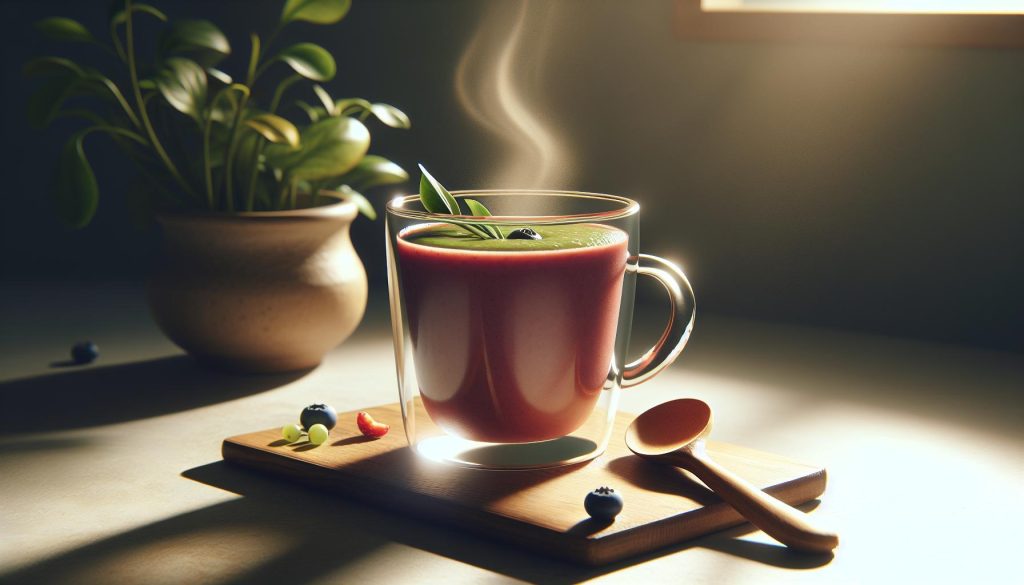
Low FODMAP Smoothies: Gut-Friendly Blends for Happy Tummies
Are you tired of your tummy throwing a tantrum every time you indulge in a delicious smoothie? Fear not, gut warriors! We’re diving into the delightful world of “Low FODMAP Smoothies: Gut-Friendly Blends for Happy Tummies.” Imagine sipping on a creamy concoction that not only tantalizes your taste buds but also keeps your digestive system singing a happy tune. Here, we’ll blend science with taste, proving that gut-friendly doesn’t mean flavorless! Say goodbye to bloating and hello to blissful smoothie adventures. So grab your blender and let’s whip up some joy—your gut will thank you!

Contents
- Understanding the Low FODMAP Diet and Its Benefits for Digestive Health
- Key Ingredients for Delicious Low FODMAP Smoothies
- How to Create a Balanced Low FODMAP Smoothie
- Top Low FODMAP Fruit and Vegetable Choices for Your Blends
- Enhancing Flavor with Low FODMAP Add-ins and Boosters
- Quick and Easy Low FODMAP Smoothie Recipes for Every Morning
- Common Mistakes to Avoid When Making Low FODMAP Smoothies
- Storing and Serving Suggestions for Optimal Freshness and Flavor
- Frequently Asked Questions
- In Summary
Understanding the Low FODMAP Diet and Its Benefits for Digestive Health
Adopting a diet low in fermentable oligosaccharides, disaccharides, monosaccharides, and polyols (FODMAPs) can offer significant relief for individuals experiencing digestive discomfort. This diet specifically targets foods that can lead to bloating, gas, and abdominal pain, enabling many to enjoy their meals without the burden of digestive distress.
Some key benefits of the low FODMAP diet include:
- Symptom Relief: Many individuals see a noticeable reduction in gastrointestinal symptoms, making daily life more comfortable.
- Food Awareness: It encourages mindfulness around food choices, leading to better overall dietary habits.
- Tailored Nutrition: The process of identifying trigger foods allows for a more personalized and balanced diet.
When selecting ingredients for low FODMAP smoothies, consider ingredients like spinach, bananas (unripe), and almond milk, which can promote digestive health without triggering symptoms. Here’s a quick reference table for some gut-friendly smoothie ingredients:
| Ingredient | FODMAP Level | Benefits |
|---|---|---|
| Spinach | Low | Rich in vitamins and minerals |
| Unripe Banana | Low | Contains resistant starch for gut health |
| Almond Milk | Low | Lactose-free, good source of calcium |
| Blueberries | Low | High in antioxidants |

Key Ingredients for Delicious Low FODMAP Smoothies
Crafting a delicious low FODMAP smoothie starts with selecting the right ingredients that not only tantalize your taste buds but also keep your tummy happy. Here are some staple ingredients to consider:
- Fruits: Opt for bananas (ripe), strawberries, blueberries, and kiwis. These fruits are not only low in FODMAPs but also packed with vitamins and antioxidants.
- Vegetables: Spinach and kale are excellent choices for a nutrient-rich base while keeping it gut-friendly. Adding in a small amount of carrots can give your smoothie a subtle sweetness.
- Milk Alternatives: Use almond milk or coconut milk as your liquid base. Both options offer a creamy texture with a hint of flavor without the FODMAP content found in regular dairy.
To raise the nutritional profile of your smoothie, consider incorporating:
| Ingredient | Benefits |
|---|---|
| Chia Seeds | Rich in omega-3 fatty acids and fiber. |
| Peanut Butter | Provides protein and healthy fats for satiety. |
| Protein Powder | Supports muscle repair and keeps you energized. |
Mix and match these ingredients to create a variety of smoothies that cater to your taste preferences while keeping your meals low in FODMAPs. Experimentation is key, so feel free to switch out ingredients and discover your perfect gut-friendly blend!
How to Create a Balanced Low FODMAP Smoothie
Creating a balanced low FODMAP smoothie starts with selecting the right ingredients to ensure your gut feels good while you enjoy a delicious drink. Here are some key components to consider:
- Base: Choose a low FODMAP liquid to blend your smoothie. Options include:
- Almond milk
- Coconut milk
- Rice milk
- Water
- Fruits: Incorporate low FODMAP fruits to add natural sweetness. Popular choices are:
- Banana (unripe)
- Strawberries
- Blueberries
- Pineapple
- Vegetables: For added nutrition and fiber, include low FODMAP veggies like:
- Spinach
- Kale
- Cucumbers
Once you’ve selected your ingredients, combine them in a blender and adjust the texture to your liking. A great balance usually lies in having:
| Ingredient | Amount |
|---|---|
| Base Liquid | 1 cup |
| Low FODMAP Fruit | 1 cup |
| Low FODMAP Vegetable | 1/2 cup |
| Healthy Fat (e.g., chia seeds) | 1 tablespoon |
| Ice (optional) | 1/2 cup |
Finish with a sprinkle of low FODMAP protein powder if desired, and enjoy a nutrient-packed, gut-friendly smoothie that keeps your tummy happy!

Top Low FODMAP Fruit and Vegetable Choices for Your Blends
When crafting the perfect low FODMAP smoothie, choosing the right fruits and vegetables is crucial to ensure both flavor and digestive comfort. Here are some top picks that not only contribute vibrant colors but also pack a nutritious punch without triggering your gut.
- Spinach: This leafy green is a powerhouse of vitamins and minerals, providing a mild flavor that blends seamlessly into any smoothie.
- Carrots: Sweet and crunchy, carrots add a natural sweetness along with a dose of beta-carotene, making them a great addition to your mix.
- Cucumbers: Refreshingly hydrating, cucumbers bring a lightness to your smoothies, perfect for warmer days.
- Kiwi: With its tangy taste, kiwi not only enhances flavor but is also an excellent source of vitamin C.
- Strawberries: Naturally sweet and packed with antioxidants, strawberries are a delicious way to brighten up your blend.
- Pineapple: Adding a tropical twist, pineapple is low FODMAP and offers a refreshing burst of flavor.
| Fruit/Vegetable | Benefits | Taste Profile |
|---|---|---|
| Spinach | Rich in iron and vitamins A, C, and K | Mild, earthy |
| Carrots | High in beta-carotene and fiber | Sweet, crunchy |
| Cucumbers | Hydrating, low-calorie | Crisp, refreshing |
| Kiwi | High in vitamin C, good for digestion | Tangy, sweet |
| Strawberries | High in antioxidants | Sweet, fruity |
| Pineapple | Contains bromelain, anti-inflammatory | Tropical, sweet-tart |
Integrating these low FODMAP options into your smoothies not only ensures a gut-friendly blend but also allows for endless experimentation with flavor combinations. Blend them up for a deliciously satisfying way to nourish your body while keeping your tummy happy!

Enhancing Flavor with Low FODMAP Add-ins and Boosters
When it comes to taking your smoothies to the next level while keeping them gentle on your digestive system, low FODMAP add-ins and boosters are your best friends. Using these flavorful enhancements not only elevates taste but also provides additional nutrition to your gut-friendly blends. Here are some fantastic options to consider:
- Fresh Herbs: Basil, parsley, or mint can add a refreshing twist to your smoothies. They’re low in FODMAPs and rich in antioxidants.
- Chia Seeds: These tiny seeds pack a nutritional punch with fiber, omega-3 fatty acids, and protein. They provide a smooth texture and keep you full longer.
- Protein Powders: Look for low FODMAP certified protein powders, such as rice or pea protein, to boost your smoothies without any digestive discomfort.
- Coconut Yogurt: Creamy and satisfying, this dairy-free alternative is low FODMAP and can enhance the texture of your smoothies.
- Nut Butters: Almond or peanut butter can add creaminess and depth of flavor while providing healthy fats and protein. Just ensure they’re free from added sugars or high FODMAP ingredients.
To make it even easier to mix and match your ingredients, here’s a simple guide to understand the key benefits of each option:
| Add-In | Flavor Profile | Key Benefits |
|---|---|---|
| Fresh Herbs | Herbaceous & Fresh | Antioxidants, vitamin-rich |
| Chia Seeds | Nutty | High in fiber, omega-3s |
| Protein Powders | Varies | Increases satiety, muscle support |
| Coconut Yogurt | Creamy & Slightly Sweet | Dairy-free, probiotic-rich |
| Nut Butters | Rich & Nutty | Healthy fats, protein boost |
Experimenting with these add-ins not only enhances your smoothie experience but also supports your gut health. Don’t be afraid to get creative—your taste buds and tummy will thank you!

Quick and Easy Low FODMAP Smoothie Recipes for Every Morning
Kickstart your day with delicious low FODMAP smoothies that will not only satisfy your taste buds but also keep your gut happy. Here are a few simple recipes that you can whip up in no time:
- Banana and Spinach Smoothie: Blend 1 ripe banana, a handful of spinach, 1 cup almond milk, and a tablespoon of chia seeds. This vibrant smoothie is packed with nutrients.
- Berry Bliss Smoothie: Combine 1 cup mixed berries (strawberries, blueberries, raspberries), 1/2 cup lactose-free yogurt, and 1 cup coconut water for a refreshing treat.
- Pineapple Ginger Delight: Blend 1 cup fresh pineapple, 1/2 inch grated ginger, 1 cup lactose-free milk, and a squeeze of lime for a zesty kick!
These smoothies are not only low in FODMAPs but also rich in vitamins and minerals. Feel free to mix and match ingredients to suit your preferences while keeping your gut health in check!
| Recipe | Key Ingredients | Nutritional Benefits |
|---|---|---|
| Banana and Spinach | Banana, Spinach, Chia seeds | Rich in potassium and iron. |
| Berry Bliss | Mixed berries, Lactose-free yogurt | High in antioxidants and probiotics. |
| Pineapple Ginger | Pineapple, Ginger, Lime | Supports digestion and boosts immunity. |
Common Mistakes to Avoid When Making Low FODMAP Smoothies
When crafting the perfect low FODMAP smoothie, it’s essential to steer clear of common pitfalls that can derail your gut-friendly intentions. Here are some key mistakes to avoid:
- Ignoring Serving Sizes: Even low FODMAP ingredients can cause issues if consumed in large quantities. Be mindful of your portions, especially with ingredients like bananas and oats.
- Using High FODMAP Additives: Common smoothie add-ins like honey and certain protein powders may contain high FODMAP ingredients. Check labels thoroughly to avoid any unpleasant surprises.
- Overlooking Fiber Balance: While fiber is important, too much at once can trigger discomfort. Aim for a balanced mix of soluble and insoluble fibers to keep things running smoothly.
In addition, consider the following table of common fruits and their FODMAP content to help make informed choices:
| Fruit | Low FODMAP Serving Size | FODMAP Type |
|---|---|---|
| Blueberries | 20 berries | Low |
| Strawberries | 10 medium | Low |
| Banana | unripe, 1 small | Low |
| Apple | None | High |
By being mindful of ingredient choices and serving sizes, you can create delicious and gut-friendly smoothies that not only taste great but also contribute to a happy tummy.

Storing and Serving Suggestions for Optimal Freshness and Flavor
To keep your low FODMAP smoothies fresh and flavorful, proper storage is key. Here are some effective tips:
- Refrigeration: Store your smoothies in an airtight container in the refrigerator. This helps to lock in freshness and prevents oxidation.
- Freezing: If you’ve made a large batch, consider freezing individual portions in freezer-safe containers. They’ll maintain their flavor and nutritional value for up to three months.
- Temperature: Always serve your smoothies chilled. You can achieve this by adding ice cubes before blending, or using frozen fruits instead of fresh ones for a frosty texture.
When it comes to serving suggestions, give your smoothies a delightful twist by garnishing with:
- Fresh herbs: A sprinkle of mint or basil can enhance the flavor profile.
- Seeds or nuts: Chia seeds or crushed walnuts can add a crunchy texture and boost the nutrient content.
- Coconut flakes: Unsweetened coconut adds a subtle sweetness and an exotic flair to your blends.
| Storage Method | Duration | Notes |
|---|---|---|
| Refrigerator | 1-2 days | Best for immediate consumption. |
| Freezer | Up to 3 months | Thaw in the fridge overnight before consuming. |
Frequently Asked Questions
Q&A: Low FODMAP Smoothies – Gut-Friendly Blends for Happy Tummies
Q: What is the Low FODMAP diet, and why is it important for gut health?
A: The Low FODMAP diet is designed to help manage symptoms of irritable bowel syndrome (IBS) and other gastrointestinal issues. FODMAP stands for fermentable oligosaccharides, disaccharides, monosaccharides, and polyols—short-chain carbohydrates that can be difficult for some people to digest. By limiting high-FODMAP foods, individuals can often reduce bloating, gas, and other discomforts, leading to happier tummies.
Q: How can smoothies fit into a Low FODMAP diet?
A: Smoothies can be incredibly versatile and can easily be tailored to fit a Low FODMAP diet. By selecting the right ingredients, you can create delicious and gut-friendly blends that provide essential nutrients without triggering symptoms. Using low-FODMAP fruits, vegetables, and dairy alternatives, smoothies can be a quick, easy, and satisfying way to nourish your body while being gentle on the digestive system.
Q: What are some examples of low-FODMAP fruits I can use in my smoothies?
A: Great question! Some excellent low-FODMAP fruit options include bananas (particularly when they’re slightly green), strawberries, blueberries, kiwi, and oranges. These fruits are not only tasty but also packed with vitamins, minerals, and antioxidants, making them perfect for smoothies.
Q: Can you suggest a base for a low-FODMAP smoothie?
A: Absolutely! A good base for your smoothie could be lactose-free yogurt, almond milk, or coconut milk. These options are generally well-tolerated and provide a creamy texture that complements the fruit. Just remember to check the labels as some milk alternatives could have additives that are higher in FODMAPs.
Q: Are there any vegetables that are low-FODMAP and suitable for smoothies?
A: Yes! Spinach and kale are both excellent low-FODMAP options for adding a nutritional boost to your smoothies. They are rich in fiber, vitamins, and minerals while being gentle on the gut. Just be cautious with certain vegetables like broccoli or cauliflower, as they tend to be high in FODMAPs in larger quantities.
Q: What about sweeteners—are there low-FODMAP options?
A: Definitely! If you want to sweeten your smoothie, consider using maple syrup or a small amount of table sugar. Stevia and certain assorrts of monk fruit sweeteners are also low in FODMAPs. Always keep portion sizes in mind to ensure you stay within low-FODMAP limits.
Q: Can I include protein in my low-FODMAP smoothie?
A: Yes, you can! Low-FODMAP protein options include lactose-free protein powder, hemp seeds, chia seeds, or even a small amount of peanut butter. These not only help keep you feeling full but also support muscle repair and overall health.
Q: How can I ensure my smoothies are balanced and nutrient-dense?
A: To create a well-rounded, nutrient-dense smoothie, try to include a source of healthy fats (like avocado or nut butter), a protein source (such as lactose-free yogurt or seeds), and a variety of fruits or veggies. Also, don’t forget to incorporate some hydration—adding water or low-FODMAP coconut water can help blend everything together and provide extra refreshment.
Q: Any tips for making low-FODMAP smoothies ahead of time?
A: Certainly! You can prep your smoothie ingredients in advance by washing and chopping fruits and veggies and storing them in the freezer. This not only saves time but also helps preserve the nutrients. Just blend them with your base right before enjoying to ensure freshness!
Q: What should I remember when starting a Low FODMAP diet?
A: When beginning a Low FODMAP diet, it’s essential to do so under the guidance of a healthcare professional or a dietitian. It’s typically a three-phase process: elimination, reintroduction, and personalization. This method helps identify specific triggers and allows you to follow a balanced and nutritious diet that suits your individual needs.
Remember, the goal of Low FODMAP smoothies is to create delicious, refreshing blends while supporting your gut health. Happy blending!
In Summary
As we wrap up our exploration of low FODMAP smoothies, it’s clear that these delicious blends are not only a treat for your taste buds but also a soothing balm for your digestive system. By incorporating gut-friendly ingredients, you’re taking a proactive step towards better digestive health, all while enjoying a refreshing and nutritious drink. So, whether you’re on a low FODMAP journey or simply looking to add more variety to your smoothie routine, these recipes are sure to please. Cheers to happy tummies and vibrant health—blend up your perfect smoothie today and savor every sip!
Get our latest guides, news, and insights highlighted in your Google Search & AI Overviews.