Jelly Beans Exposed: How It’s Made Will Blow Your Mind
Are you ready to take a trip down the rainbow-colored rabbit hole of confectionery magic? In “Jelly Beans Exposed: How It’s Made Will Blow Your Mind,” we pull back the curtain on the sweet, chewy treats that have been captivating taste buds for generations. From their surprising origins to the top-secret process that turns mere sugar into bean-shaped bliss, this article will not only satisfy your curiosity but also challenge everything you thought you knew about these colorful delights. Join us on this delectable journey, where science meets sweetness, and get ready to have your mind blown—just not all over the jelly beans!

Contents
- The Surprising History of Jelly Beans and Their Cultural Impact
- Ingredients Unboxed: What Really Goes Into a Jelly Bean
- The Art and Science of Jelly Bean Manufacturing
- From Flavor to Finish: The Detailed Production Process
- Exploring the Different Types of Jelly Beans and Their Unique Qualities
- How to Choose Quality Jelly Beans: Tips for the Connoisseur
- Fun Facts About Jelly Beans That Will Amaze You
- Creative Ways to Enjoy Jelly Beans Beyond the Candy Bowl
- How It’s Made: Jelly Bean Production
- The Precision of Confectionery
- Frequently asked questions
- Insights and Conclusions
The Surprising History of Jelly Beans and Their Cultural Impact
Jelly beans have a surprisingly rich history that dates back centuries, with origins that trace back to the late 19th century in the United States. The first documented jelly beans were said to have been created in 1861, coinciding with the rise of candy manufacturing during the industrial revolution. Interestingly, they were initially marketed as a novelty item, gaining popularity particularly among children and as a favored treat during holidays, especially Easter.
The cultural impact of jelly beans extends far beyond their sweet taste and chewy texture. They have become a symbol of festivities, celebrations, and the whimsical spirit of childhood. Notably, jelly beans have made their mark in pop culture, becoming a staple in films, television shows, and even art. Here are a few key points that highlight their cultural significance:
- Political Symbolism: In the 1980s, former President Ronald Reagan famously adored jelly beans, using them as a campaign tool and symbol of his friendly persona.
- Hollywood & Media: They’ve made cameo appearances in various movies and series, often representing youth and innocence.
- Culinary Creativity: Chefs and confectioners across the globe have experimented with flavors, creating gourmet jelly beans that make their way into upscale desserts.
This playful treat has transcended its sugary roots to become a canvas for cultural expression and innovation, showcasing not only the evolution of candy-making techniques but also the ways in which food intertwines with society, tradition, and even politics.

Ingredients Unboxed: What Really Goes Into a Jelly Bean
Delving into the sweet world of jelly beans, one might be surprised to find that these colorful confections are a meticulous blend of various ingredients, each contributing to their unique flavor and texture. Contrary to popular belief, jelly beans are not all sugar and artificial flavors; they contain a fascinating collection of components:
- Sugar: The primary ingredient, responsible for the sweetness that defines jelly beans.
- Starch: Helps create that iconic chewy texture, making each bean a delightful mouthful.
- Flavorings: These can be natural or artificial, with options ranging from fruity and tangy to dessert-inspired.
- Colorings: Both natural and synthetic dyes are employed to achieve the vibrant hues that make jelly beans visually appealing.
- Wax: A light coating of food-grade wax is applied for a glossy finish, enhancing the candy’s appearance.
What’s even more intriguing is how these ingredients come together in the production process. The creation begins with a mixture of sugar and corn syrup, which is boiled to a thick syrup and then cooled. Following this, the flavoring and coloring agents are blended in, creating a colorful paste. As this paste solidifies, it is rolled into tiny bean shapes, coated in multiple layers of sugar to form that familiar hard shell. Inside, the jelly-like center brings a surprising burst of flavor with each bite.
| Ingredient | Purpose |
|---|---|
| Sugar | Sweetness |
| Starch | Chewy texture |
| Flavorings | Unique taste |
| Colorings | Aesthetic appeal |
| Wax | Glossy finish |
The Art and Science of Jelly Bean Manufacturing
The manufacturing of jelly beans is a fascinating blend of art and science, where precise methods meet creative flair. At the heart of production lies a careful selection of ingredients, primarily sugar, corn syrup, and flavorings. Each component plays a crucial role in delivering the delightful experience that these candies provide. The process begins with the creation of a flavorful center known as the ‘jelly bean core’, crafted using a mixture of the aforementioned ingredients to form a chewy texture that melts in your mouth.
Once the core is prepared, it undergoes a unique technique called panning. In this stage, the jelly bean cores are tumbled in large rotating pans to layer on the sugary shell. The process typically includes:
- Coating with syrup: A smooth syrup coats each jelly bean, gradually building up the sugary exterior.
- Drying: The coated beans are dried, allowing the layer to harden and attain that characteristic glossiness.
- Flavor and color application: Natural and artificial flavorings and colors are added to distinguish each bean.
once the jelly beans have their signature texture, flavor, and appearance, they are packaged for eager candy enthusiasts worldwide. The intricate science behind proportions and temperatures melds seamlessly with the artistry of creating innovative flavors. The result? A beloved treat that continues to capture the hearts of sweet-toothed fans everywhere.

From Flavor to Finish: The Detailed Production Process
Creating the perfect jelly bean is nothing short of an art form. The journey from concept to candy starts with selecting high-quality ingredients, which form the backbone of every delightful bite. Manufacturers begin by choosing a **corn syrup base** and **sugar**, ensuring that the flavor will be as vibrant as the colors. Additional ingredients such as **natural and artificial flavors**, **citric acid**, and **food colorings** follow, reflecting an extensive palette for a range of taste-bud experiences.
Once the ingredients are gathered, the magic begins in large mixing machines where liquids and powders blend. This mixture is then cooked and cooled, forming a dough-like substance. Once at the right consistency, the jelly beans are formed using specialized machines that shape the candy into the iconic bean shape. After shaping, the jelly beans are coated in a sugar shell, which involves several layering processes that give them that glossy finish and irresistible crunch.
| Process Stage | Description |
|---|---|
| Mixing | Corn syrup, sugar, and flavors combine to create a sweet base. |
| Cooking | The mixture is cooked at a controlled temperature to achieve the right texture. |
| Shaping | Machines mold the mixture into the classic jelly bean shape. |
| Coating | A multi-layered sugar shell is applied, giving each jelly bean its pop of color. |
The final touch comes with the **polishing** phase, where the coated jelly beans are tumbled in a drum to create a shiny exterior. After polishing, they are cooled and packaged, ready to spark joy or satisfy a sweet tooth. This refined process ensures that each jelly bean encapsulates a burst of flavor and a perfectly balanced feel, making them an irresistible treat for candy lovers of all ages!

Exploring the Different Types of Jelly Beans and Their Unique Qualities
Jelly beans are not just colorful treats; they come in a fascinating variety of types that present their own unique flavors, textures, and experiences. From fruity delights to gourmet concoctions, each type of jelly bean holds its own charm. Here are some popular categories to consider:
- Classic Fruit Flavors: These are your traditional jelly beans, bursting with authentic fruity flavors like cherry, lemon, and grape.
- Gourmet Variants: Crafted for the refined palate, these jelly beans feature sophisticated flavors such as champagne, espresso, or even bacon.
- Spicy and Savory: A daring group that includes flavors like jalapeño and dill pickle, perfect for adventurous taste buds.
- Candy-Coated Delights: These jelly beans boast an extra crunch with a candy shell, varying in color and design for visual appeal.
To further illustrate the diversity of jelly bean flavors, consider the following table that encapsulates some of the most intriguing combinations:
| Flavor Category | Examples | Unique Quality |
|---|---|---|
| Classic | Cherry, Lemon, Lime | Bursting with real fruit taste |
| Gourmet | Chocolate, Margarita, Cotton Candy | Elevated flavors for a unique taste experience |
| Spicy/Savory | Sriracha, Pickle, Ranch | Unexpected and bold choices for the daring |
| Candy-Coated | Rainbow Mix, Pastel Collection | Visually stunning and crunchier than the average jelly bean |
The variety within the jelly bean universe showcases the incredible creativity of candy makers, appealing to all kinds of taste preferences and making each bite an adventure of its own. Whether you prefer to stick with the classics or venture into bold new flavors, there’s a jelly bean out there waiting just for you!

How to Choose Quality Jelly Beans: Tips for the Connoisseur
When it comes to selecting quality jelly beans, the subtleties can make all the difference between an average treat and an extraordinary experience. Here are key aspects to keep in mind:
- Ingredient Transparency: Quality jelly beans are crafted with real ingredients. Look for brands that openly list natural flavors, fruit purees, and real sugar on the label.
- Texture Matters: A good jelly bean should have a firm outer shell with a soft, chewy center. Feel free to test their elasticity—an excellent jelly bean should spring back when you bite into it.
- Variety of Flavors: Seek out brands that offer an extensive range of authentic flavors. The more diverse the flavor profile, the more enjoyable the tasting experience.
Additionally, consider checking reviews and recommendations from fellow candy lovers. High-quality jelly beans often create a buzz among connoisseurs, so engaging in conversations on forums and social media can lead you to the most revered brands. Remember, the aesthetic appeal also counts, as vibrant colors often indicate the use of real ingredients rather than artificial dyes. Ultimately, exploring and experimenting with different brands will guide you toward your perfect jelly bean.
Fun Facts About Jelly Beans That Will Amaze You
Jelly beans are more than just colorful candies; they come with a treasure trove of fascinating facts that will leave you in awe. Did you know that the average jelly bean has less than **4 calories**? This makes them a guilt-free treat that can satisfy your sweet tooth without straying too far from your dietary goals. Moreover, jelly beans have been around since the **19th century** and were even a popular snack among U.S. soldiers during World War II, making them a nostalgic treat that has stood the test of time.
Another interesting tidbit is that jelly beans are often flavored using **natural and artificial ingredients**, allowing for a range of unique tastes. Some of the most bizarre flavors include **buttered popcorn** and **toasted marshmallow**, expanding the possibilities beyond your typical fruity options. The process of making jelly beans involves a series of steps known as **“sugar panning,”** where a center is coated multiple times with layers of sugar syrup to create that iconic jelly bean shell. This meticulous method can take up to **seven days** to produce just a single batch!
Here’s a quick overview of some popular jelly bean flavors and their distinctive characteristics:
| Flavor | Description |
|---|---|
| Cherry | Sweet and tart, perfect for fruit lovers. |
| Watermelon | A refreshing summer classic that’s hard to resist. |
| Licorice | Bold and polarizing; a flavor that many either love or hate. |
| Devil’s Food Cake | Rich chocolate flavor, a dessert in jelly bean form! |
Creative Ways to Enjoy Jelly Beans Beyond the Candy Bowl
Jelly beans are not just for snacking; they can inspire a world of fun and creativity. Here are a few imaginative ways to transform your jelly bean experience:
- DIY Jelly Bean Art: Create vibrant mosaics or colorful designs by arranging jelly beans on a canvas or sturdy paper. You can even frame your masterpiece and display it as a unique piece of edible art.
- Flavor Infusion: Use the beans to enhance your drinks! Drop a few into your lemonade or sparkling water for a pop of flavor and a dash of color, transforming an ordinary beverage into an extraordinary treat.
- Baking Boost: Incorporate jelly beans into your baking. Chop them up and mix them into cookies or brownies for a sweet surprise, or use them as delicious toppings for cupcakes.
| Activity | Description |
|---|---|
| Art Projects | Create colorful art pieces with arranged jelly beans. |
| Drink Enhancer | Add flavor and color to beverages with jelly beans. |
| Baking Ingredients | Mix jelly beans into baked goods for a fun twist. |
These creative activities not only elevate your enjoyment of jelly beans but also allow you to share joy with family and friends. Whether you’re hosting a party, planning a family craft night, or simply looking for a sweet surprise, jelly beans have you covered in deliciously inventive ways!
How It’s Made: Jelly Bean Production
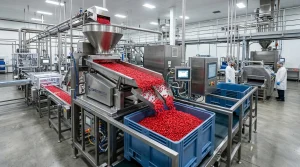
The journey from sugar syrup to a finished treat is a marvel of industrial engineering. The process, known as “panning,” involves rotating drums where centers are coated in layers of sugar, flavor, and color. Understanding how it’s made jelly bean style reveals a complex blend of confectionery chemistry and precise timing.
The Precision of Confectionery
The beans are left to cure in climate-controlled rooms to ensure the perfect chewiness. This stabilization phase is critical for achieving the signature shelf-stable texture that defines the commercial product.
FAQ
- How it’s made jelly bean? It involves the panning process, where sugar layers are built up on a center core through rotation and drying.
- Is the process automated? Yes, modern production uses high-speed industrial drums to maintain consistency across millions of beans.
Frequently asked questions
Q&A: Jelly Beans Exposed – How It’s Made Will Blow Your Mind
Q: What exactly are jelly beans made of?
A: Great question! Jelly beans typically contain sugar, corn syrup, and starch as their primary ingredients. The outer shell is made from sugar and food coloring, while the chewy center is often flavored with a combination of fruit juices, essential oils, and artificial flavors. The process itself is fascinating and involves several stages to achieve that perfect texture and taste!
Q: How are jelly beans manufactured?
A: The manufacturing process involves a method called “starch casting.” Initially, a mixture of sugar, corn syrup, and flavorings is cooked and then cooled. After cooling, the mixture is extruded into bean shapes, which are then rolled in powdered starch to prevent them from sticking together. After that, they’re coated several times in sugar syrup to build up that classic hard shell. the beans are polished for shine and color!
Q: What’s the reason for their unique texture?
A: The chewy center of jelly beans comes from the cooking process of the sugar mixture, which forms a gel-like consistency when cooled. This specific blend of ingredients, and the precise temperature control during cooking and cooling, allows jelly beans to achieve that ideal chewy yet firm texture that we all know and love.
Q: Are all jelly beans the same?
A: Not at all! There are countless varieties of jelly beans available. While traditional flavors like cherry and lemon are widely recognized, manufacturers have become creative, introducing gourmet options, sour flavors, and even unique combinations inspired by popular desserts and drinks. It’s a fun world of flavors waiting for you!
Q: How long does it take to make jelly beans?
A: The entire process can take several days, depending on the batch size and the type of jelly beans being made. After the initial cooking and shaping, the coating process requires time for each layer to dried, with some jelly beans requiring as many as 10 coats of syrup to achieve the desired shell thickness and shine.
Q: Are there any health considerations when eating jelly beans?
A: Jelly beans are primarily sugar-based and can be quite high in calories and carbohydrates, usually lacking significant nutritional value. However, they often come in reduced-sugar or vegan options, catering to different dietary needs. It’s always wise to enjoy them in moderation!
Q: What’s the most surprising part of jelly bean production?
A: Many people are astonished to learn that the jelly bean has been around since at least the 1800s and has an intricate history tied to other candies and confectionery practices. The sheer meticulousness that goes into each step, from the ingredient selection to flavor development, is mind-blowing. It’s much more than just a simple candy – it’s a blend of art and science!
Q: Where can I find the best jelly beans?
A: You can find a wide variety of jelly beans at grocery stores, candy shops, and online retailers. For those looking for something unique, specialty candy stores often carry gourmet brands that offer novel flavors and ingredient choices. Don’t forget to look for local or artisanal brands for a truly special experience!
Q: Can you share a fun fact about jelly beans?
A: Absolutely! Did you know that jelly beans were originally marketed as a decorative candy for weddings? Their vibrant colors and festive appearance made them a popular choice for celebrations. Today, they are widely enjoyed year-round, but their roots in festive occasions are still a nostalgic element for many!
Have more questions about jelly beans? Let’s keep the conversation going! 🌈🍬
Insights and Conclusions
As we unwrap the fascinating world behind jelly beans, it’s clear that these colorful confections are more than just a delightful sweet treat. From the meticulous selection of ingredients to the intricate cooking and cooling processes, the creation of each jelly bean is a blend of science and artistry that truly captivates the imagination. So, the next time you pop one of these sugary gems into your mouth, take a moment to appreciate the craftsmanship behind it. It’s not just candy—it’s a journey of flavor, texture, and creativity. Now that you’re armed with this knowledge, go ahead and share the sweet secrets of jelly bean production with your friends. Who knows? You might just inspire a new appreciation for this classic candy!
Get our latest guides, news, and insights highlighted in your Google Search & AI Overviews.