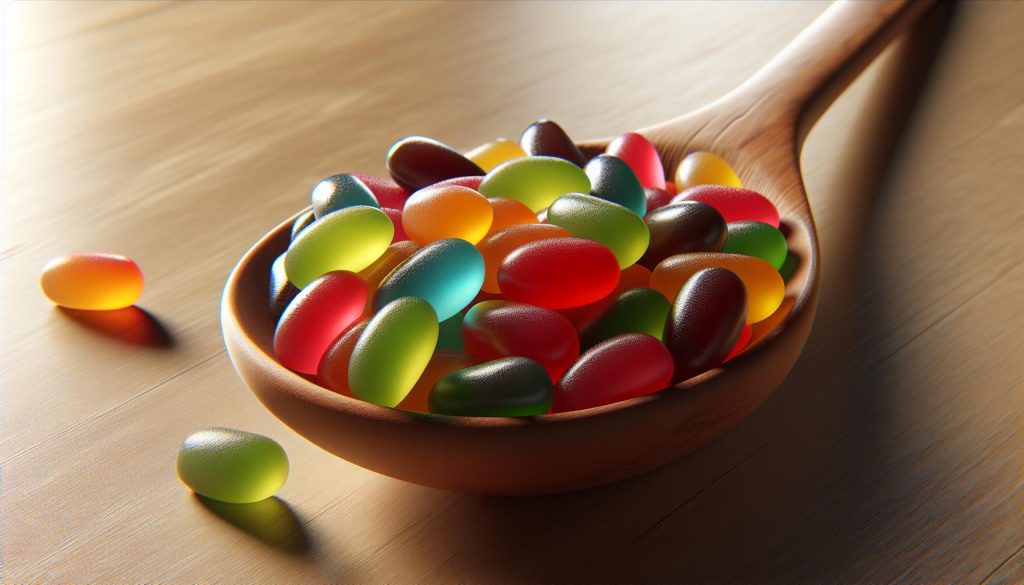
Are Jelly Beans Healthy? The Shocking Nutritional Truth
Prepare to have your taste buds tantalized and your nutrition knowledge turned on its head! In the whimsical world of candy, jelly beans stand out as colorful little wonders, bursting with flavor and childhood nostalgia. But before you dive into that jelly bean jar with wild abandon, you may want to pause and ponder: are jelly beans actually good for you? Join us as we unwrap the shocking nutritional truth behind these chewy confections. Spoiler alert: what you discover might make you rethink your candy choices—or at least your excuses for sneaking those sweet snacks! Buckle up for a fun and enlightening journey through the surprisingly complex universe of jelly beans and health—because who said nutrition can’t be a little sweet?

Contents
- Understanding the Ingredients in Jelly Beans
- The Nutritional Breakdown: What’s Really Inside?
- How Jelly Beans Affect Your Blood Sugar Levels
- The Role of Sugar and Artificial Flavors
- Are There Any Health Benefits to Eating Jelly Beans?
- Moderation and Smart Choices: Enjoying Treats Wisely
- Finding Healthier Alternatives to Jelly Beans
- Tips for Mindful Snacking Without Sacrificing Flavor
- Q&A
- Wrapping Up
Understanding the Ingredients in Jelly Beans
To truly gauge whether jelly beans can be classified as a healthy treat, it’s important to dive into their ingredients. Jelly beans are typically made from a combination of simple sugars, corn syrup, and flavorings, resulting in a chewy, sweet treat cherished by many. Below are the primary components that contribute to their nutritional profile:
- Sugar: The main ingredient, providing the characteristic sweetness.
- Corn Syrup: A sweetener that helps keep the jelly beans chewy.
- Modified Starch: Often used to stabilize and give the jelly beans their chewy texture.
- Natural and Artificial Flavors: These enhance the taste and create a variety of flavors.
- Color Additives: Used to make jelly beans visually appealing, but are often synthetic.
While jelly beans do offer a burst of flavor and fun, their high sugar content raises questions about their healthfulness. A single serving can contain a significant amount of sugar and calories, contributing little in terms of nutritional value. When consumed in moderation, they can be an enjoyable treat, but it’s wise to be informed about their ingredients to maintain a balanced diet.
| Ingredient | Purpose |
|---|---|
| Sugar | Main source of sweetness |
| Corn Syrup | Enhances chewiness and sweetness |
| Flavorings | Adds variety and enjoyment |
| Coloring Agents | Improves visual appeal |

The Nutritional Breakdown: What’s Really Inside?
When you pop a jelly bean into your mouth, it’s hard not to enjoy the burst of flavor and the chewy texture. However, what many don’t realize is that each tiny candy carries a weighty nutritional profile. Here’s what you need to know about what’s inside:
- Sugar Content: Most jelly beans are primarily composed of sugar, often comprising over 70% of each serving. This sugar rush is what provides the immediate burst of energy but can lead to a quick crash afterward.
- Calories: A typical serving (about 10 beans) can clock in at around 100 calories, which can add up quickly if you’re not mindful.
- Artificial Flavors and Colors: Many recipes rely on synthetic additives to enhance taste and visual appeal, raising questions about the long-term health effects of consuming these chemicals.
- Vitamins and Minerals: Surprisingly, some brands may fortify their jelly beans with small amounts of vitamins, but these usually come nowhere near the daily recommended intake.
| Nutritional Component | Amount per Serving (10 beans) |
|---|---|
| Calories | 100 |
| Total Sugars | 15g |
| Sodium | 5mg |
| Fat | 0g |
Given this information, it’s clear that while jelly beans may satisfy your sweet tooth momentarily, they don’t contribute much to your overall health. Awareness of what’s in these delightful treats is crucial for making informed snacking choices.

How Jelly Beans Affect Your Blood Sugar Levels
When it comes to jelly beans, their sugary composition can have a significant impact on blood sugar levels. These colorful candies are essentially made up of sugar and corn syrup, making them a quick source of glucose. Upon consumption, the body rapidly absorbs these sugars, which can lead to a **quick spike** in blood sugar levels. This response can be particularly concerning for individuals managing diabetes or those who are sensitive to fluctuations in their blood sugar.
Here are some key points to consider:
- High Glycemic Index: Jelly beans typically have a high glycemic index, indicating that they can cause sharp increases in blood glucose.
- Insulin Response: The rapid rise in sugar levels prompts a swift release of insulin, which may lead to subsequent drops in blood sugar, potentially resulting in cravings for more sugar.
- Portion Control: Eating jelly beans in moderation is crucial. Overconsumption can heighten the risk of blood sugar spikes.
Individuals monitoring their blood sugar levels should also take into account the nutritional content. Below is a simplified table highlighting the typical sugar content in jelly beans:
| Serving Size | Sugar Content (grams) | Calories |
|---|---|---|
| 1 oz (about 28 jelly beans) | 18 | 100 |
| 3 oz (about 84 jelly beans) | 54 | 300 |
while jelly beans may bring a burst of joy and sweetness, it’s essential to be mindful of their impact on blood sugar levels, especially for those with specific health conditions.
The Role of Sugar and Artificial Flavors
When diving into the realm of jelly beans, it’s essential to consider the impact of sugar and artificial flavors on their nutritional profile. **Sugar** serves as the primary ingredient, not just enhancing sweetness but also significantly contributing to the calorie content. A typical serving of jelly beans can contain around **20-30 grams of sugar**, which can be concerning for those monitoring their sugar intake. High sugar consumption is linked with various health issues, including obesity, diabetes, and heart disease. Thus, indulging in jelly beans should be done in moderation.
Additionally, jelly beans are often infused with **artificial flavors**, which tantalize your taste buds but may have questionable long-term effects on health. These flavors are synthetically created to mimic natural tastes, often coming from chemicals that can be harmful in large amounts. While they provide excitement in flavor variety, they lack any real nutritional benefits, essentially contributing empty calories to your diet. Consider the following potential drawbacks:
- **Increased cravings**: Artificial flavors can lead to a preference for sweeter foods, prompting overconsumption.
- **Addiction-like behavior**: The intense sweetness can stimulate brain responses similar to those seen with addictive substances.
- **Potential allergens**: Some individuals may be sensitive to artificial flavorings, leading to adverse reactions.
while jelly beans may bring joy and nostalgia, the **high sugar content** and the presence of **artificial flavors** raise significant concerns for one’s overall health, particularly if consumed in excess. Always keep an eye on those ingredient labels! Below is a table that summarizes the nutritional aspects of jelly beans:
| Nutritional Component | Typical Serving (100g) |
|---|---|
| Sugar | 20-30g |
| Calories | 350-400 kcal |
| Fat | 0-2g |
| Protein | 0g |

Are There Any Health Benefits to Eating Jelly Beans?
While jelly beans are often seen as a fun treat rather than a health food, they do offer some surprising aspects that could be considered beneficial in moderation. Here are a few points to ponder:
- Energy Boost: Jelly beans are primarily made of sugar, which can provide a quick source of energy. This can be especially appealing for a Mid-afternoon slump.
- Variety of Flavors: With countless flavors available, they can satisfy sweet cravings without the need to overindulge in high-calorie desserts.
- Social Enjoyment: Sharing jelly beans can enhance social interactions and celebrations, contributing positively to mental well-being.
However, it is essential to remember that moderation is key. The nutritional value of jelly beans is quite limited; they lack significant vitamins and minerals, which means their health benefits are outweighed by their high sugar content. Here’s a quick glimpse into the nutritional profile of a standard serving:
| Nutrient | Per 10 Jelly Beans |
|---|---|
| Calories | 80 |
| Sugars | 15g |
| Fat | 0g |
| Protein | 1g |
while jelly beans can offer a momentary sugar rush and some enjoyment, their place in a balanced diet is limited. Enjoying them occasionally can be a delightful experience, but it’s wise to be mindful of their overall health impacts.

Moderation and Smart Choices: Enjoying Treats Wisely
When it comes to indulging in sweet treats like jelly beans, moderation is key. These colorful candies often tempt us with their vibrant hues and fruity flavors, but being mindful about how and when to enjoy them can make all the difference. Here are some smart choices to consider:
- Portion Control: Instead of munching mindlessly from the bag, portion out a small serving. This satisfies your sweet tooth without overindulging.
- Mindful Eating: Take the time to enjoy each piece. Savor the flavors and textures, which can enhance your experience and reduce the urge to eat more.
- Healthy Pairings: Combine jelly beans with healthier options like nuts or fruit. This not only balances the sugar content but also adds nutritional value to your snack.
It’s essential to pay attention to the ingredients in your candy choice, as many jelly beans contain added sugars and artificial components. Understanding the nutritional facts can guide you in making better choices:
| Component | Per 100g Serving |
|---|---|
| Sugars | 70g |
| Calories | 350 |
| Fat | 0g |
| Protein | 0g |
By keeping these insights in mind, you can enjoy jelly beans and other treats as part of a balanced approach to your diet. The goal is to find a way to relish your favorite candies while maintaining a healthy lifestyle.

Finding Healthier Alternatives to Jelly Beans
If you’re looking to satisfy your sweet tooth without the sugar overload or artificial ingredients associated with jelly beans, there are several healthier alternatives that can offer the same chewy enjoyment. Here are some options that provide flavor and fun while keeping your health in mind:
- Fruit Snacks - Look for options made with real fruit purees and no added sugars. These can give you that chewy texture while providing vitamins and fiber.
- Homemade Gummy Snacks – Using fruit juice and gelatin, you can create your own gummy treats. This way, you control the ingredients and sweetness level.
- Nuts and Dried Fruits – For a sweet and crunchy alternative, a mix of nuts and dried fruits can satisfy your cravings. They provide healthy fats, protein, and natural sugars.
- Dark Chocolate-Covered Fruits – Choose dark chocolate covered almonds or banana chips for a healthful treat that still feels indulgent.
For those who prefer the familiarity of candy-like snacks, consider the following table of alternatives that align more closely with a balanced diet:
| Alternative Snack | Health Benefits |
|---|---|
| Fruit Leather | Rich in vitamins, made from real fruit. |
| Nut Butter Balls | High in protein and healthy fats. |
| Yogurt-Covered Raisins | Probiotics from yogurt with natural sweetness. |
| Whole Grain Granola Bars | Packed with fiber and low in sugar. |
Exploring these alternatives can help you maintain a treat-filled lifestyle without compromising your health goals. The key is balancing enjoyment with nutritional value, ensuring that every snack is not just delicious but also nourishing.

Tips for Mindful Snacking Without Sacrificing Flavor
Snacking mindfully doesn’t mean giving up on flavor—it’s all about making smart choices that satisfy your cravings while keeping your nutrition in check. Here are some strategies you can incorporate into your snacking routine:
- Choose Whole Ingredients: Opt for snacks made from whole foods. Fresh fruits, nuts, and yogurt are not only delicious but also packed with nutrients.
- Portion Control: Serve your snacks in small bowls or containers. This helps control portions and prevents mindless eating straight from the bag.
- Flavor Enhancements: Use herbs and spices to amp up the taste without adding extra calories. For example, sprinkle some cinnamon on apple slices or top popcorn with nutritional yeast for a cheesy flavor.
Consider the following table to explore flavor-packed alternatives that can elevate your snacking experience:
| Traditional Snack | Healthier Alternative | Flavor Boosting Tip |
|---|---|---|
| Potato Chips | Kale Chips | Add a sprinkle of garlic powder or nutritional yeast. |
| Ice Cream | Frozen Yogurt with Fresh Berries | Top with a drizzle of honey and a dash of vanilla extract. |
| Chocolate Bar | Dark Chocolate-Covered Almonds | Pair with a handful of sea salt for contrast. |
Incorporating these tips allows you to enjoy your snacks without compromising on health or flavor. By being mindful and intentional, you can create a satisfying balance that nourishes both body and soul.
Q&A
Q: Are jelly beans considered healthy snacks?
A: While jelly beans can be a fun treat, they are not typically classified as healthy snacks. Most varieties are high in sugar and provide little nutritional value, as they primarily consist of carbohydrates and artificial flavors. Moderation is key; enjoying them occasionally is fine, but relying on them as a staple snack isn’t advisable.
Q: What are the main ingredients in jelly beans?
A: Jelly beans are primarily made from sugar, corn syrup, and starch. They are flavored with various artificial and natural flavors, and often contain food coloring and a small amount of gelatin. The high sugar content is what makes them sweet but also contributes to their lack of nutritional benefits.
Q: Do jelly beans have any nutritional benefits?
A: Jelly beans are not a significant source of essential nutrients like vitamins or minerals. They occasionally contain small amounts of ingredients like fruit juice for flavoring, but these contribute very little to overall nutrition. If you’re looking for a snack that provides health benefits, you might want to consider fruits, nuts, or whole grains instead.
Q: How do jelly beans compare to other candies in terms of health?
A: Compared to many other candies, jelly beans can be slightly lower in fat since they do not typically contain chocolate or cream. However, they still fall short when it comes to nutritional value due to their high sugar content and lack of essential nutrients. Ultimately, while they may have a slight edge in some areas, they’re not inherently healthier.
Q: Can you enjoy jelly beans without feeling guilty?
A: Absolutely! The key is to enjoy jelly beans in moderation. Treats can be a part of a balanced diet, and if you savor them as an occasional indulgence, you can enjoy them without guilt. The joy of a sweet treat can be part of a healthy lifestyle as long as it’s balanced with nutritious choices.
Q: Are there healthier alternatives to jelly beans?
A: Yes! If you’re looking for something chewy and sweet that is also nutritious, consider options like dried fruit, homemade fruit leather, or even gummy snacks made from real fruit juice. These alternatives can provide natural sweetness and some nutrients without the high sugar content of traditional jelly beans.
Q: What should I consider when incorporating jelly beans into my diet?
A: When incorporating jelly beans into your diet, consider factors like portion size, frequency of consumption, and overall dietary balance. It’s fine to enjoy them occasionally, but try to ensure that your regular snacks and meals are rich in whole foods, fruits, and vegetables to maintain good nutrition. A healthy approach to eating is all about balance!
Wrapping Up
while jelly beans might tantalize your taste buds, their nutritional profile tells a different story. Packed with sugar and lacking in substantial vitamins or minerals, they certainly can’t hold their own in the health department. However, understanding their place as an occasional treat can help you enjoy them without guilt. So, the next time you reach for that colorful bag, remember: moderation is key. Treat yourself, but don’t forget to balance it with wholesome choices. Stay informed, make smart snacks, and enjoy life’s little pleasures—just maybe save the jelly beans for a special occasion!